
Serving Detroit, Michigan and homeowners across OhioWritten cash offers · No repairs · No commissions

Behind on property taxes? Sell before it costs you the house.

Back taxes don't have to mean losing the house or the equity in it. We buy houses with delinquent taxes in Detroit and Ohio, and the taxes are paid from the sale at closing, so you don't need cash up front.

  • Written offer, no obligation
  • No repairs, no commissions
  • Closed by a licensed title company
Get an offer on your house
  1. 1Property
  2. 2Contact
  3. 3The house
  4. 4Situation

Check your house's cash value

Start with the address. Four quick steps, about two minutes.

Free and no obligation. We never sell your information. Prefer to talk? (954) 854-0549

FastClose on the date you pick, not a buyer's lender's schedule.
SafeA licensed title company handles the paperwork and the money.
FairA written offer with the math shown, so you can check it.
$0Agent commissions
0Repairs or cleaning
1Walk-through, that's it
100%Written offer, math shown

Can I sell my house if I'm behind on property taxes?

Yes. As long as you still own the house, you can sell it while property taxes are delinquent. At closing, the title company pays the back taxes, interest and penalties directly from the sale proceeds, then pays off any mortgage and other liens. Whatever is left is yours. Selling before the county's foreclosure deadline keeps that equity, which a tax auction usually wipes out.

Hands holding a stack of hundred-dollar bills
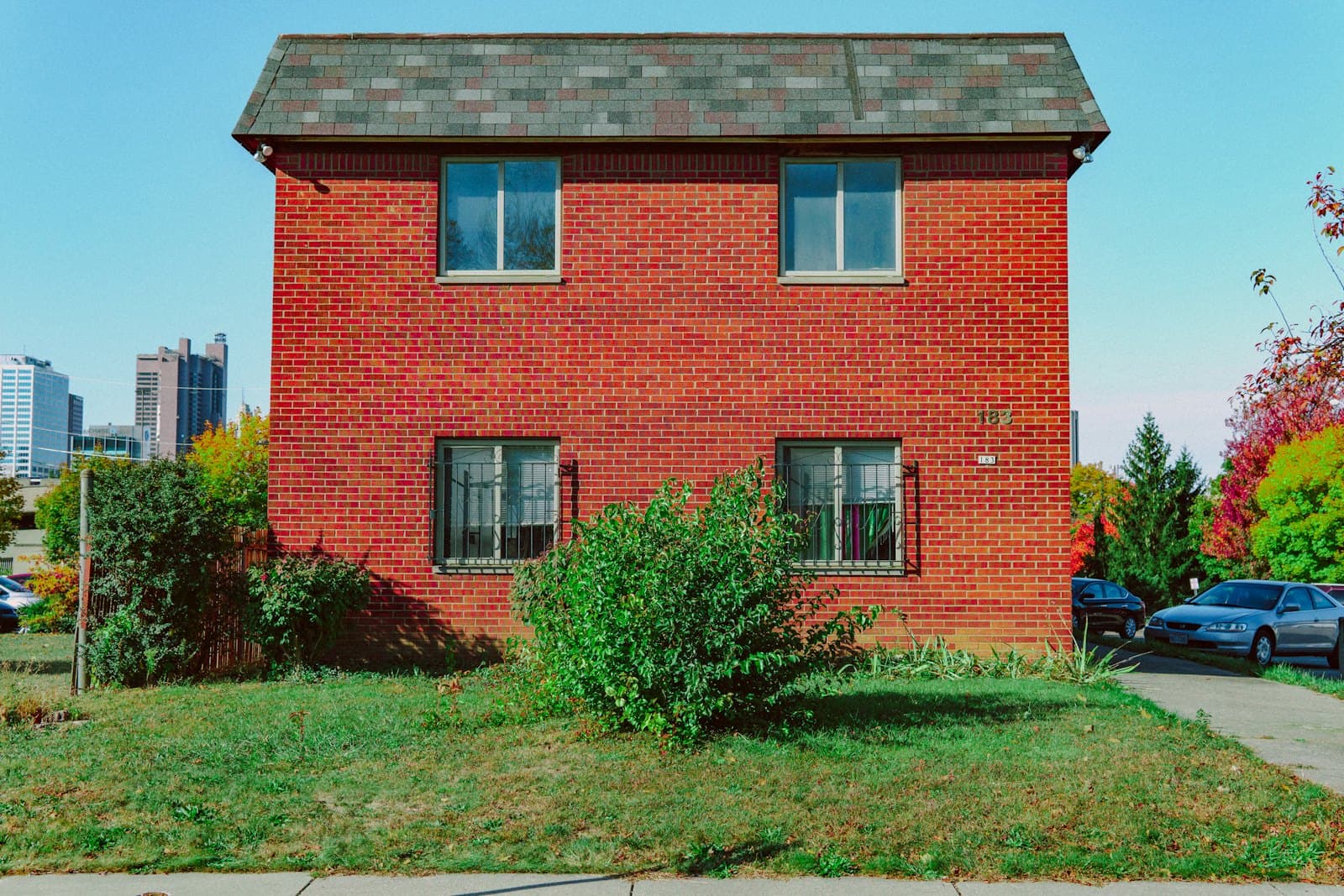
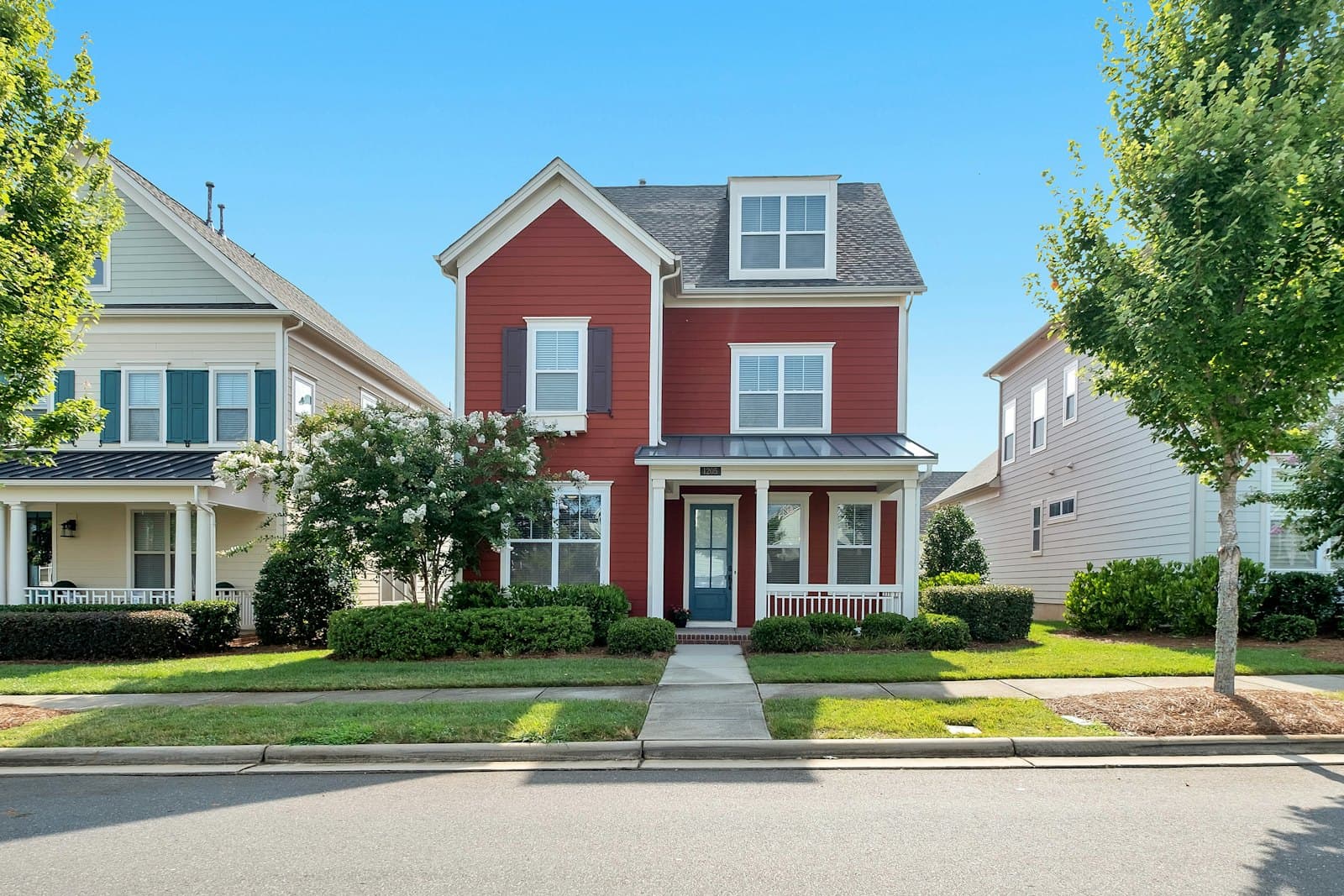
Red two-story house on a residential street
Sound familiar?

Where people are when the tax bills pile up

  • Two or three years behind

    One hard year turned into two, and now the balance with interest feels out of reach.

  • A forfeiture or foreclosure notice

    A letter from the county treasurer with a date on it, and you're not sure what it means.

  • An inherited house with unpaid taxes

    A parent's house where nobody kept up with the bills, and now the estate owes the county.

  • Taxes plus repairs

    Even if you caught up on the taxes, the house still needs a roof or a furnace.

  • A vacant house costing money

    Taxes, insurance and upkeep on a house nobody lives in.

What we do

How we handle a house with back taxes

  • We check the exact payoff

    The title search and the county treasurer's records show what's owed, so the offer reflects real numbers.

  • Taxes paid at closing

    Back taxes, interest and penalties come out of the sale, not your bank account.

  • Timed to the deadline

    When a redemption or foreclosure date is close, we work with the title company to close before it if the title allows.

  • Current-year taxes prorated

    This year's taxes are split fairly on the closing statement, so you pay only for the time you owned it.

Before you sell

What to know first

Michigan: how tax foreclosure works

Michigan runs tax foreclosure on a yearly calendar. Unpaid taxes become delinquent and are turned over to the county treasurer the following March. A year later the property is forfeited, and the county then asks the court for a foreclosure judgment. In Wayne County, the final day to redeem has generally been March 31. If the taxes aren't paid or in an approved plan by then, ownership passes to the county.

Detroit homeowners who live in the house should check the HOPE poverty tax exemption and the Pay As You Stay program first, and the United Community Housing Coalition can help with applications. Read our full Wayne County guide.


Ohio: delinquent taxes, tax certificates and land banks

In Ohio, delinquent property taxes go on the county's delinquent tax list, and the county treasurer or prosecutor can file a tax foreclosure. Some larger counties sell tax certificates (liens) to investors, who can later foreclose if the taxes aren't repaid. For abandoned or vacant property, Ohio also has an expedited foreclosure process that county land banks often use.

The details vary by county, so start with your county treasurer: ask what's owed, whether a delinquent tax contract (payment plan) is available, and whether any certificate or foreclosure action has been filed.

Pay, sell or let it go: the math

If you want to keep the house and can afford it going forward, a payment plan or exemption is usually the best move. If you don't want to keep it, the choice is between selling yourself and letting the county take it.

Letting it go almost always costs the most. The county sells it at auction, often well below market value, and any equity above the taxes is either lost or has to be claimed through a separate process. Selling before the deadline turns that equity into cash at closing, and you see every line of the payoff on the settlement statement.

Pay, sell, or wait for the county?

Sell before the deadlinePayment plan or exemptionLet the county foreclose
Back taxesPaid from the sale at closingPaid over time, or reducedUnpaid; house taken
Your equityPaid to you at closingYou keep the houseOften lost at auction
Cash needed nowNoneMonthly paymentsNone, but you lose the house
RepairsNone; we buy as-isStill yoursMoot: the house is gone
Best whenYou don't want to keep the houseYou want to stay and can afford itNever, if there's equity
Two people shaking hands outdoors
A straight deal

Everything in writing. Nothing hidden.

You see the offer, the math behind it and every line on the closing statement before you sign. If something doesn't make sense, we walk you through it.

How it works

Four steps, and you decide at every one

  1. Tell us about the house

    Fill in the short form or call. It takes two minutes, and we'll ask what's going on with the property.

  2. One walk-through

    We see the house once, as it is. Don't clean it, and don't fix anything first.

  3. Written offer

    You get the offer in writing, with the math behind it. Take your time, and ask anyone you trust to look it over.

  4. Close on your date

    We close through a licensed title company. You pick the day, and you leave behind whatever you don't want.

Questions about selling with back taxes

Can I sell my house if I owe back property taxes?

Yes, as long as you still own it. The title company pays the delinquent taxes, interest and penalties from the sale proceeds at closing.

Do I need to pay the back taxes before selling?

No. The back taxes are paid out of the sale at closing, so you don't need cash up front.

How long can I be behind on property taxes in Michigan before foreclosure?

Michigan follows a yearly schedule: taxes become delinquent the March after they're due, the property is forfeited a year later, and foreclosure follows. In Wayne County the final redemption day has generally been March 31. Confirm current dates with your county treasurer.

What happens to property taxes for the current year when I sell?

They're prorated on the closing statement, so you pay for the part of the year you owned the house and the buyer pays the rest.

Let's find the easiest way forward.

Start with your address. A written cash offer, no repairs, no pressure, and you decide at every step.